


In Alabama, where the fight for justice has deep roots and even deeper resolve, women have always been at the heart of the movement. Their leadership often doesn’t look like headlines or podiums — it looks like walking 54 miles from Selma to Montgomery in the footsteps of ancestors, or standing before a parole board to speak for those who no longer have a voice.
This Women’s History Month, Alabama Values honors two women whose stories remind us that the work of liberation takes many forms: science and organizing, healing and resistance, policy and prayer. It’s found in the communities they serve, the coalitions they build, and the legacy they’re creating for the next generation of leaders.
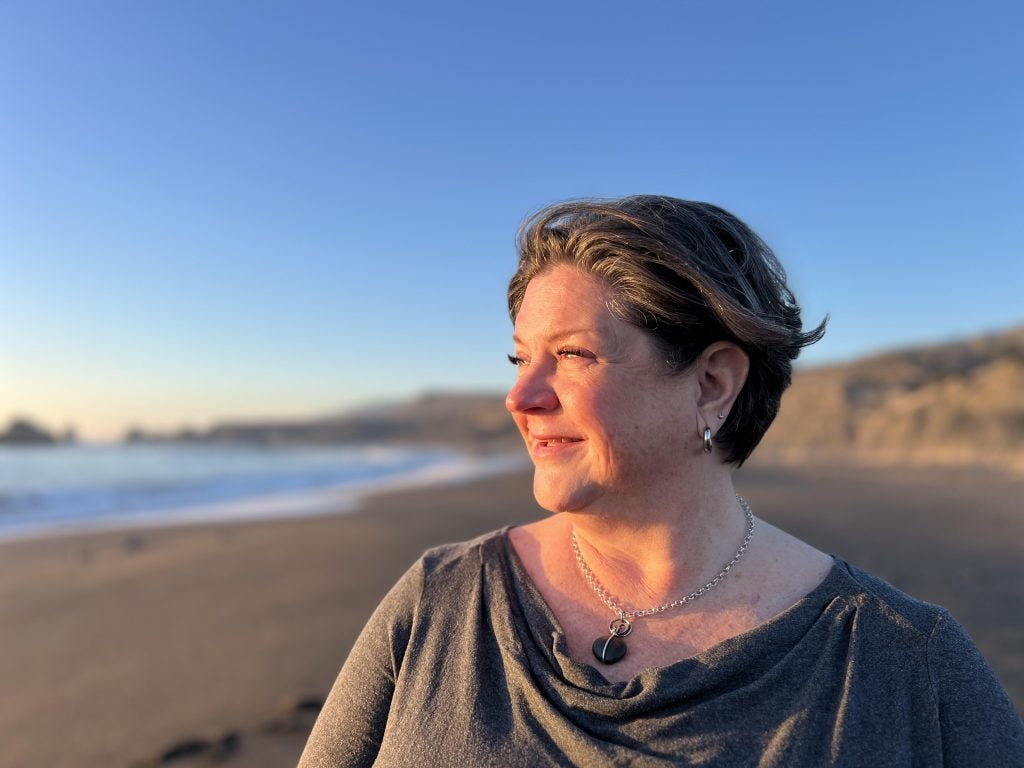
Kathleen Kirkpatrick never imagined that a commemorative walk would change the trajectory of her life. As an environmental engineer deeply entrenched in policy work, she was used to solving problems with data and design. But after joining a “walking classroom” in 2015 to honor the Voting Rights March’s 50th anniversary, she realized that change wasn’t only about plans — it was about people. “That collective experience helped set me on a path to becoming a community organizer,” she said.
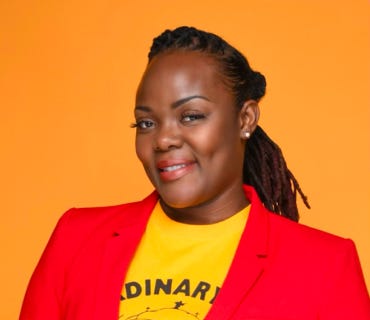
On the other side of the movement spectrum is Rodreshia Russaw, whose fire was lit in a very different moment — testifying about a brutal death inside Alabama’s prison system. “Standing up for justice isn’t just about power,” she said, “it’s about unity and peace.” As the Executive Director of The Ordinary People Society (TOPS), Rodreshia has transformed personal pain into statewide power, growing a grassroots effort into a statewide network that feeds, houses, and uplifts women and families across Alabama.
Both women are grounded in the reality that progress in Alabama — especially for marginalized communities — demands more than just good intentions. It requires confronting systems designed to exclude. “Being a woman leader anywhere means being bold and persistent,” Kathleen said. And in Alabama, that boldness often looks like navigating patriarchal norms, advocating for environmental justice, or finding ways to engage local elected officials in the fight for clean water and resilient infrastructure.
It also looks like direct service — like Rodreshia and her team organizing bailouts for women sitting in jail simply because they can’t afford to leave. Or Kathleen bringing pro bono scientists into under-resourced communities to help them secure environmental funding through her work with The Capacity Collaborative. Their work touches every part of life: housing, childcare, food access, civic participation, and dignity.
Yet for all their impact, they point to the women who came before — mothers, freedom fighters, and everyday community builders — as the foundation they stand on. Women like Fannie Lou Hamer, Vivian Malone Jones, Coretta Scott King, and the countless names history hasn’t recorded. “A lot of our mothers were never honored just for being mothers,” Rodreshia reflected. “So when women are highlighted, it reminds me to think of the women who birth us — and who birth the nation.”
Their vision for the future is grounded in possibility. Kathleen wants to see an EPA-funded project fully realized — one that would provide jobs and build healthier, more resilient communities. Rodreshia hopes to become a real estate agent, opening more doors to affordable housing. Different paths, same goal: liberation and dignity for all.
In a state often known for its resistance to progress, these women represent a different kind of Alabama — one led by organizers, caregivers, engineers, entrepreneurs, and truth-tellers. They remind us that change doesn’t just come from institutions — it comes from women who walk, speak, organize, and rise.
Learn more and support their work:
The Ordinary People Society (TOPS): www.wearetops.org | Instagram: @wearetops
The Capacity Collaborative: www.thecapacitycollaborative.org